

Thailand Overstay: Fines, Blacklisting and What to Do
A Thailand overstay begins when you remain in the country beyond the “permitted to stay until” date in your passport. Even a short overstay is an immigration offence. A longer overstay—or being arrested before you leave—can lead to detention, removal and a ban from returning to Thailand.
The short answer
The standard overstay fine is THB 500 per day, up to THB 20,000. That fine is only part of the risk. Published Thai immigration rules also impose re-entry bans for serious overstays, with much harsher consequences when a person is arrested rather than voluntarily surrendering.
Always check the immigration stamp in your passport. The expiry date on a visa sticker is not necessarily the date you are permitted to remain in Thailand.
Already overstaying?
- Check your passport stamp and count the days carefully.
- Get professional advice immediately.
- Do not hide, delay or continue working unlawfully.
- Prepare for lawful departure or the process advised for your case.
Thailand overstay fines and blacklist periods
The following published schedule applies when a foreign national reports voluntarily and departs. The re-entry ban runs from the date of departure.
| Length of overstay | Typical fine | Published re-entry ban | What this means |
|---|---|---|---|
| 1–89 days | THB 500 per day, maximum THB 20,000 | No automatic blacklist under the published voluntary-surrender schedule | The offence can still be recorded and may affect future immigration decisions. |
| 90 days to under 1 year | Up to THB 20,000 | 1-year ban | Entry to Thailand is prohibited for one year from departure. |
| 1 year to under 3 years | Up to THB 20,000 | 3-year ban | Entry to Thailand is prohibited for three years from departure. |
| 3 years to under 5 years | Up to THB 20,000 | 5-year ban | Entry to Thailand is prohibited for five years from departure. |
| 5 years or more | Up to THB 20,000 | 10-year ban | Entry to Thailand is prohibited for ten years from departure. |
Important: Do not treat the absence of an automatic blacklist below 90 days as permission to overstay. Outcomes depend on current law, the facts of the case and the authorities’ decision.
If you are arrested before surrendering
Arrest changes the risk substantially. For an ordinary overstay arrest, the normal process is court, a fine, immigration detention and eventual deportation or repatriation. This is not simply a matter of paying the daily overstay fine and walking free.
Detention usually continues until deportation
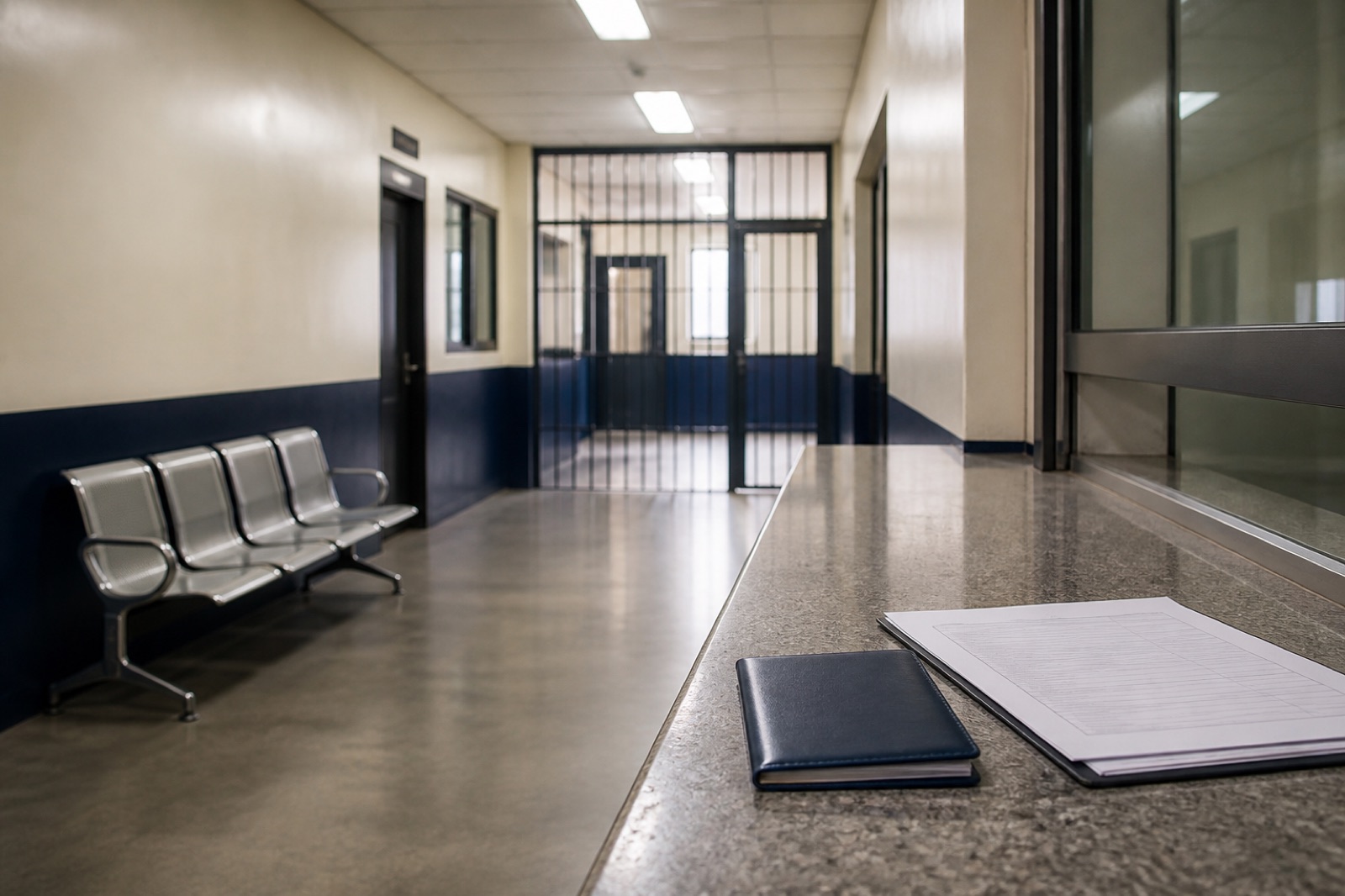
- Police station and court: after arrest, a person is normally held locally, taken to court and dealt with for the immigration offence.
- Immigration detention: after the court process, most foreign detainees are transferred to an Immigration Detention Centre. People arrested outside Bangkok may first remain at the local police or immigration facility and later be moved to Bangkok.
- Suan Phlu IDC, Bangkok: many cases are ultimately handled through the Bangkok Immigration Detention Centre on Soi Suan Phlu while police checks and deportation approval are completed.
- You fund your removal: the detainee, family or friends normally must pay for the approved flight, travel documents, transport and related costs. An embassy does not normally pay these expenses. Detention can continue when a person cannot fund removal.
- Return destination: immigration will normally require deportation to the country connected to the passport used to enter Thailand, rather than allowing the person to select any convenient third country. The exact destination and route are decided by the Thai authorities and airline acceptance.
- Escorted departure: once clearance and an acceptable paid ticket are in place, immigration officers normally escort the detainee through airport check-in and security and may hold the person in a designated area until boarding.

Embassy assistance is limited. The relevant embassy or consulate may be notified and may visit, telephone or otherwise contact a detained national, depending on access and resources. Consular staff can sometimes help with travel documents, welfare communication and contacting relatives, but they cannot cancel Thai proceedings, demand release or normally pay the fine, ticket or detention costs.
Conditions at Suan Phlu IDC can be extremely harsh
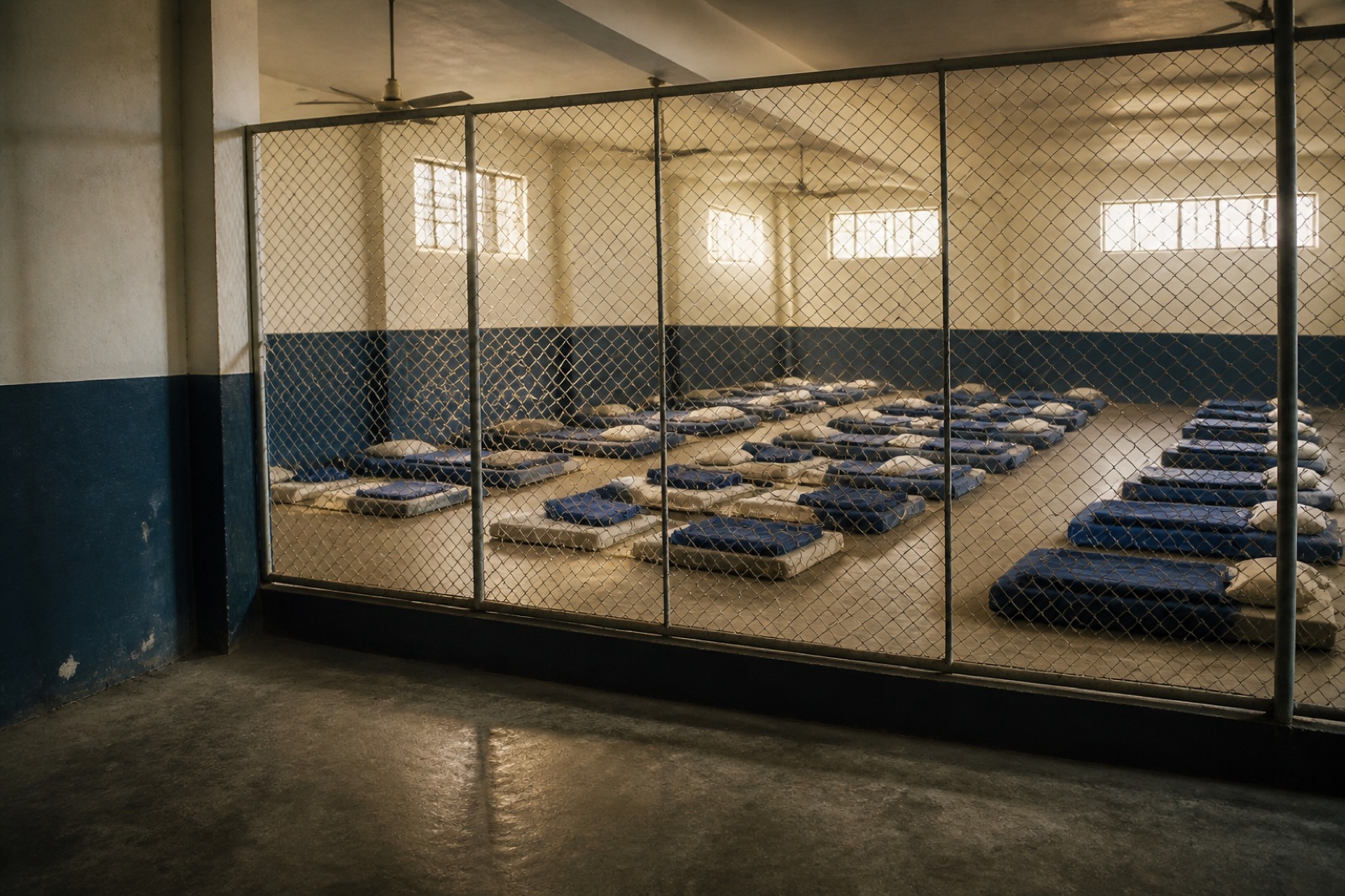
Former detainees and international human-rights organisations have repeatedly reported severe overcrowding, poor ventilation and sanitation, inadequate food and clean water, long periods confined inside crowded cells, limited access to exercise, personal belongings and medical care, and the risk of prolonged or indefinite detention when removal cannot be arranged.
Human Rights Watch has described Thai immigration detention facilities as extremely overcrowded and unhygienic, with inadequate food, water and medical services. Recent British government guidance similarly warns that most IDCs are overcrowded and that detainees may remain in their cells for up to 22 hours a day. These documented conditions explain why former detainees sometimes use extreme language such as “hell” when describing the experience. That phrase is personal testimony—not an official classification—but the underlying warning is real: do everything lawful to avoid arrest and immigration detention.
Overstay is more than a daily fine
Immigration detention
If stopped or arrested, you may be held while your case, travel documents and departure are arranged.
Future travel
An overstay record or blacklist can affect future entry, visa applications and how immigration officers assess your travel history.
Criminal penalties
Thai immigration law provides for possible imprisonment of up to two years, a fine of up to THB 20,000, or both. The actual outcome depends on the case.
Thailand overstay FAQ
What is an overstay in Thailand?
An overstay occurs when you remain in Thailand after the permitted-stay date stamped by immigration in your passport. Check that stamp rather than relying only on the validity date printed on your visa.
How much is the Thailand overstay fine?
The standard fine is THB 500 for each day of overstay, capped at THB 20,000. Fines do not remove the possibility of detention, prosecution, deportation or blacklisting.
What happens if I surrender voluntarily?
Voluntary surrender normally means reporting the overstay and departing through the proper process. Published re-entry bans begin at 90 days of overstay: one year, three years, five years or ten years depending on the length. Obtain case-specific advice before acting.
What happens if I am arrested while overstaying?
The consequences are much more serious. Under the published schedule, an arrested person overstaying for less than one year may receive a five-year ban; an overstay of one year or more may result in a ten-year ban. Detention, prosecution and removal may also follow.
Will I normally be deported after an overstay arrest?
Yes. In an ordinary arrest case, the normal sequence is police custody, court, immigration detention and deportation or repatriation after official checks. The detainee, family or friends normally must fund an approved flight and related removal costs, and immigration officers normally escort the person through the airport.
Can my embassy get me out of immigration detention?
An embassy may visit or contact its detained nationals and may help with travel documents, welfare communication or contacting family. It cannot override Thai law, order release, erase an overstay or normally pay fines, tickets or detention expenses.
Can I extend my stay after an overstay has started?
Do not assume an extension will erase an overstay. The correct procedure depends on the facts and the authorities’ decision. Contact a qualified adviser or Thai immigration immediately and follow official instructions.
Will a short overstay affect a future Thai visa?
It can. Even where the published voluntary-surrender schedule does not impose an automatic blacklist, the overstay may be recorded and considered in later visa or entry decisions.
What if illness, a lost passport or an emergency caused the overstay?
Keep evidence and contact the relevant authorities, your embassy or consulate, and a qualified adviser promptly. Do not assume an emergency automatically cancels liability; only the competent Thai authority can decide how your circumstances are treated.
Resolve a Thailand overstay without delay
Every day matters. Next Step Hua Hin can review your circumstances, explain the practical options and help you prepare for the correct process. We do not guarantee an outcome, but we will give you clear, confidential guidance.
This page provides general information and is not legal advice or an official immigration decision. Immigration rules, procedures and enforcement can change. Next Step Hua Hin is not a Thai government authority. Confirm the current requirements with Thai immigration or an appropriately qualified adviser before taking action.
Read next in the Hua Hin Survival Guide: Visa Runs vs Extensions in Thailand · TM30 & 90-Day Reports
Ask Next Step Hua Hin
Type your question below to search our website and receive an immediate answer.