
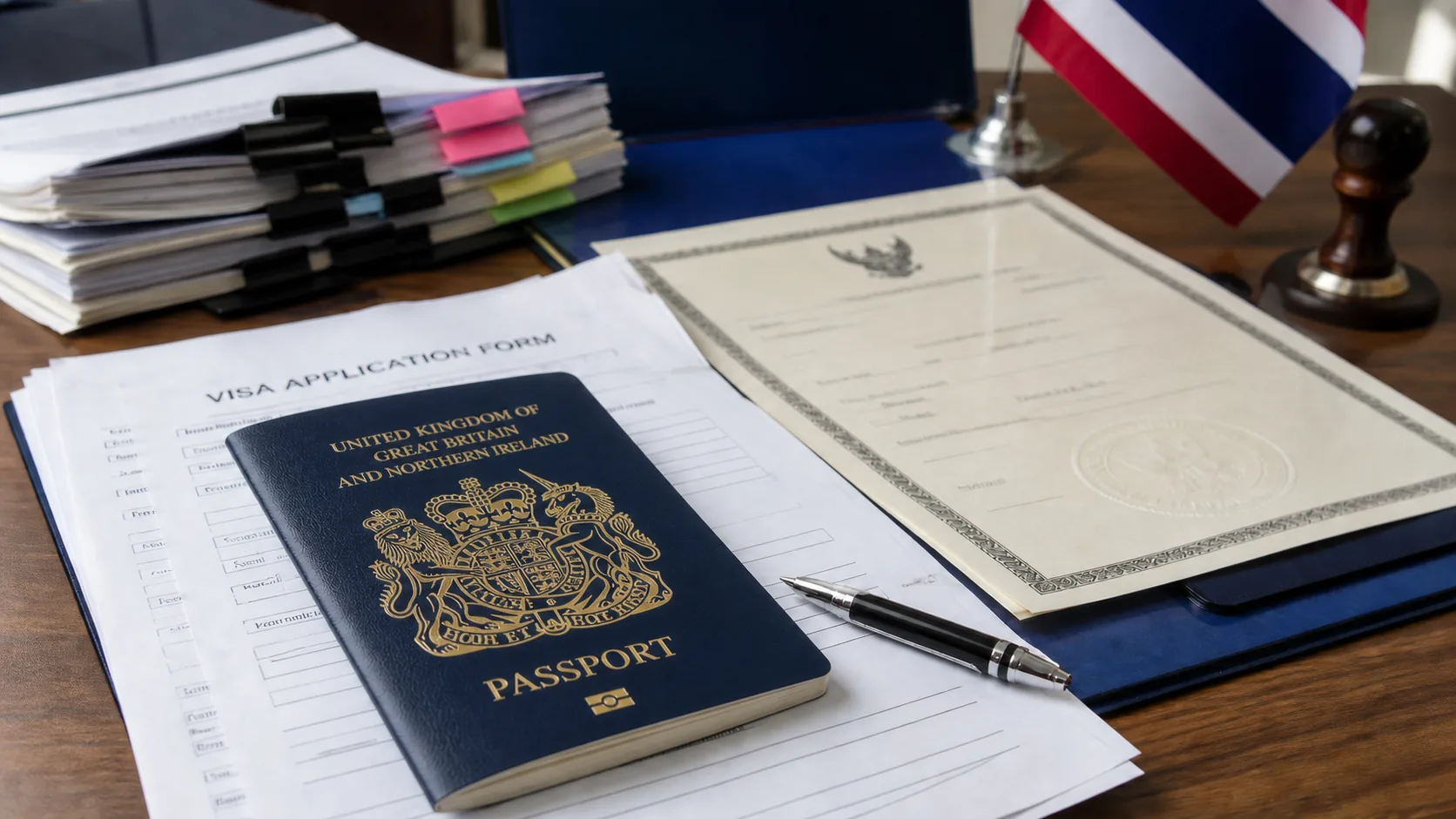
Thailand is tightening the rules for Destination Thailand Visa (DTV) applications from 31 August 2026, adding a country-of-application restriction and a mandatory criminal-record check.
The changes were announced by the Royal Thai Embassy in Vientiane, which said the additional requirements will apply to DTV applications submitted at Thai embassies and consulates worldwide.
Two major new checks for DTV applicants
Under the new rules, applicants must be either a national or a permanent resident of the country where they submit the application. This is a significant change for travellers who previously planned to apply through a convenient Thai embassy while temporarily staying in another country.
Applicants will also need to provide a criminal-record clearance certificate. The document may be issued by the authorities in the applicant’s country of nationality or in the country where the application is submitted. If it is not in English, applicants should expect to provide an English translation.
For example, the embassy said a DTV application made in Vientiane must come from a Lao national or a permanent resident of Laos. A visitor who is only passing through Laos would no longer qualify to lodge a DTV application there.
Deadline protection for applications already paid
The embassy says applications submitted with the visa fee fully paid before 31 August 2026 will continue to be considered under the previous rules. Applicants close to the deadline should nevertheless confirm that their application is complete and that payment has been recorded.
What prospective applicants should do now
Anyone preparing a DTV application should check which Thai embassy or consulate is responsible for their country of nationality or permanent residence. They should also allow enough time to obtain a police clearance certificate and any required translation.
The core DTV remains a five-year, multiple-entry visa aimed at remote workers, freelancers, qualifying activity participants and eligible dependants. The new announcement changes where an application may be filed and adds an extra background document; it does not announce the cancellation of the visa.
Requirements can still vary in presentation and document format between missions, and approval is never automatic. Applicants should check the current checklist on the official Thai e-Visa website and with the responsible embassy before paying.
For practical preparation help, see Next Step Hua Hin’s DTV visa assistance page and follow the latest Thailand Visa News. A related recent update explains how Thailand is also taking a firmer approach to visa compliance and tourist misconduct.
To coordinate the application with travel and immigration obligations, consult our Thailand visa and immigration deadline guide.
Plan beyond the DTV application
The DTV is one route, not a universal answer for every long-term stay. Compare the wider options in our Thailand visa guides. If your plans may eventually become permanent, understand the separate requirements for Thai permanent residence and Thai citizenship for foreigners. For hands-on preparation, see our DTV visa service.
Sources: Royal Thai Embassy, Vientiane announcement; Thailand e-Visa DTV guidance. Information checked 27 August 2026.
Ask Next Step Hua Hin
Type your question below to search our website and receive an immediate answer.