
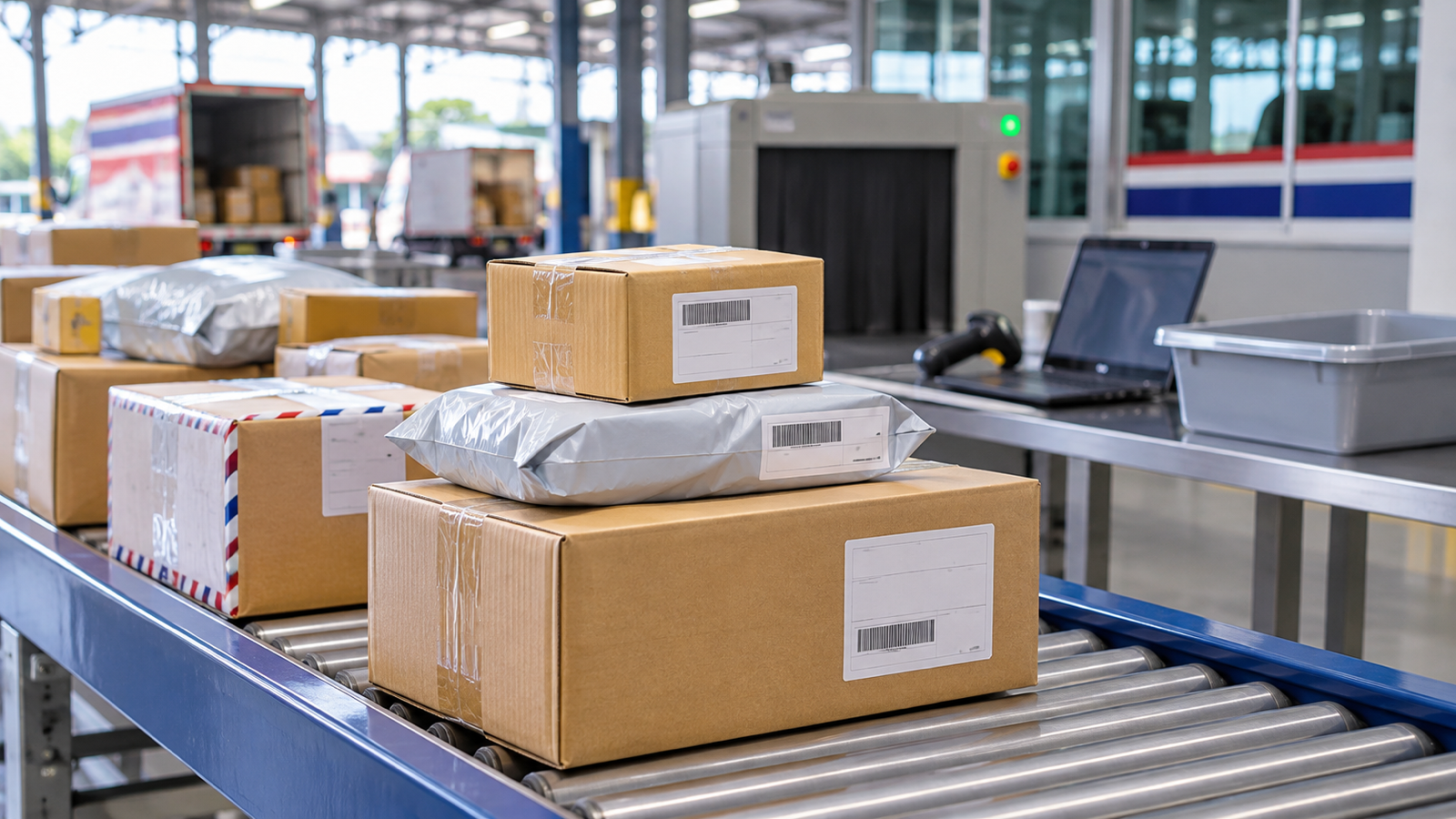
Thailand’s Cabinet has approved new import-duty rules for goods bought from overseas through e-commerce platforms. The maximum rate will be 30%, but that is a ceiling tied to the product’s customs tariff classification—not a flat charge on every online order.
The decision was announced on 10 November 2026 by Deputy Prime Minister and Finance Minister Ekniti Nitithanprapas. The measure is aimed at creating fairer competition for Thai businesses, especially small and medium-sized enterprises, while improving the collection of duties on cross-border parcels.
When will the new Thailand online-shopping duties start?
The government announcement does not give a fixed calendar date. Customs Director-General Phantong Loykulnanta said the revised rules will apply 15 days after the relevant announcement is published in the Royal Gazette. Some media reports describe implementation as expected early next year, but shoppers should wait for the Gazette notice and the final Customs instructions before treating 2027 as a confirmed start date.
What the 30% ceiling means
The new approach concerns goods ordered through e-commerce platforms from abroad and arriving via express delivery or international post. Duties will be calculated under the applicable customs tariff classification, with rates not exceeding 30%.
That means the final charge will depend on the type of product, its customs classification, declared value and the way the shipment is processed. It does not mean that every parcel will automatically receive a 30% import duty. The government announcement also does not provide a final public list that would allow shoppers to calculate every product category in advance.
Why Thailand is changing the rules
Thai authorities say domestic sellers face costs for tax, employment, compliance and product standards that overseas online sellers may not face in the same way. The policy is intended to narrow that competitive gap and support Thai SMEs.
Consumer protection is another stated reason. The government specifically referred to concerns about low-cost imported goods that may not meet Thai safety or quality standards, including products in areas such as food, cosmetics, electronics and vehicle-related parts. The measure is presented as a change to tax and import administration, not a ban on online shopping.
Separate reporting citing Customs officials says the revised collection system could raise about 6.3 billion baht in fiscal 2027. That is a revenue estimate, not a promise that every consumer will pay 30%.
What this means for foreigners living in Thailand
For people in Hua Hin and elsewhere in Thailand who order from foreign websites, the important question will be whether the checkout price includes all import costs. Depending on the platform and delivery method, VAT, import duty, courier handling charges or other fees may be shown at checkout or requested when the parcel enters Thailand.
Before ordering, check:
- which company is responsible for customs clearance;
- whether import duty and VAT are included in the displayed price;
- whether a courier or postal handling fee can be added; and
- what happens if Customs assigns a different classification or value.
The announcement concerns imported e-commerce goods. It does not, by itself, create the same 30% duty for every private gift parcel. Gifts and other shipments can be treated under different rules, depending on their contents, value, origin and customs procedure.
What shoppers should do next
There is no need to assume that every overseas order will become 30% more expensive. Until the Royal Gazette publication and detailed Customs guidance are available, retain order records and check the seller’s import-cost policy. Once the rules are published, compare the tariff classification and any additional charges before placing higher-value orders.
For broader information about current Thailand immigration and visa developments, visit our Thailand Visa News archive. If you need help with a visa or extension matter unrelated to import duties, see our Thailand visa guides or contact Next Step Hua Hin.
Official sources
Thai Government: Cabinet approval and Customs explanation, 10 November 2026.
Additional reporting: Bangkok Post report on the revenue estimate and implementation outlook.
This is general news information, not individual tax or customs advice. The final tariff treatment depends on the official classification and instructions in force when a shipment is imported. Reviewed 11 November 2026.
Choose Next Step Hua Hin as a preferred source
Increase the chance of seeing our Visa News in Google Top Stories.
Ask Next Step Hua Hin
Type your question below to search our website and receive an immediate answer.